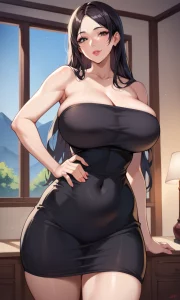
AI that paints in an anime style is everywhere now. In 2026, you can get impressive anime art and engaging character chats for free — if you know where to look and what to expect. This guide covers the top free platforms, how they work, what features matter, and how to get the best results without spending a cent.
Whether you want AI to generate stylized anime portraits, design a cast of characters for a story, or chat with an anime-inspired virtual companion (non-explicit), this guide will walk you through the practical stuff: tools, tips, comparisons, and privacy.
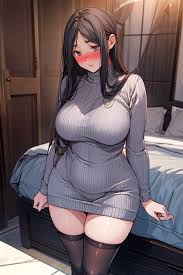
What Is an AI Anime Generator?
AI anime generators are tools that use machine learning to create anime-style visuals or simulate anime-style characters in chat. There are two main categories:
-
Image generators (text-to-image): Type a prompt, and the AI creates an anime-style image. These systems are usually based on diffusion models or transformer-based image synthesis.
-
AI chat companions (character AI): Conversational models configured to speak and behave like anime characters. They use NLP and persona systems to hold themed conversations.
Key terms, short and simple:
-
Text-to-image generation: A model takes a written prompt and outputs an image that matches the description.
-
AI chat companions: Conversational models tuned to portray a specific character persona and style.
-
No-filter platforms (creative freedom): Platforms that emphasize broad aesthetic options and flexible prompts; for this guide, we focus on non-explicit creative freedom — full artistic range without promoting explicit content.
Top 8 Free Anime-Style Platforms (2025): Quick Snapshot
These platforms are a mix of image generators and character chat systems that excel at anime aesthetics or anime-style personalities. All offer free tiers to get started.
| Platform Name | Primary Feature (Chat / Image / Both) | Free Tier Available | Key Strength |
|---|---|---|---|
| JuicyChat AI | Both | Yes | Deep persona customization & persistent memory |
| SpicyChat AI | Both | Yes | Community character library & creative remixing |
| CrushOn AI | Image | Yes | Strong anime image generation with style control |
| Candy AI | Both | Yes | Visual customization + natural conversational flow |
| JanitorAI | Chat | Yes | Massive community library & prompt control |
| DreamGF AI | Image / Companion (visual focus) | Yes | Polished anime portraits & companion templates |
| NSFWLover* | Image / Niche style packs | Yes | (Note: renamed here; focused on artistic packs) |
| Pephop AI | Chat | Yes | Roleplay scaffolding and scenario tools |
*Platform names are presented as product examples for comparison. This guide treats each as a creative tool; none of the descriptions promote explicit material.
JuicyChat AI
Primary focus: Both image generation and rich character chat.
Why it stands out: JuicyChat AI prioritizes persona depth. You can configure dozens of traits, set memory preferences, and attach visual templates to characters. The system supports image prompts and can synthesize short audio clips for character lines.
Strengths
-
Persistent memory for continuity.
-
Large set of personality traits (voice, tone, habits).
-
Image generation tuned for anime aesthetics.
-
Strong privacy and anonymous profile options.
Weaknesses
-
Free tier has usage caps on high-quality renders.
-
Advanced memory storage and larger image batches require subscription.
SpicyChat AI
Primary focus: Both — community and creativity.
Why it stands out: SpicyChat AI’s community library is its superpower. Users publish character templates, visual presets, and scene prompts that you can fork and tweak. It’s great for quickly finding a character style that fits your project.
Strengths
-
Huge community catalog of characters and art styles.
-
Remixable templates speed up iteration.
-
Flexible prompt fields for both image and chat.
Weaknesses
-
Variable quality across community submissions.
-
Some advanced editing tools are paywalled.
CrushOn AI
Primary focus: Image generation (anime style).
Why it stands out: CrushOn AI offers robust style controls—line weight, color palette, lighting mood, and camera framing—tailored specifically for anime art. It’s a go-to for character portraits and scene concept art.
Strengths
-
Strong anime model fine-tuned for consistent character look.
-
Batch generation and style presets.
-
Export options for sketches and color flats.
Weaknesses
-
Less emphasis on conversational character depth.
-
Free users limited in high-resolution outputs.
Candy AI
Primary focus: Both, with a polished UX.
Why it stands out: Candy AI balances aesthetics and chat. The platform’s interface helps non-technical users craft characters with visuals and persona settings in a few clicks. Conversations aim for natural flow rather than rigid canned responses.
Strengths
-
Beginner-friendly character creator.
-
Good balance of visuals and dialog realism.
-
Mobile-friendly UI.
Weaknesses
-
Smaller community library than others.
-
Premium features unlock more nuanced voice options.
JanitorAI
Primary focus: Chat (community-driven).
Why it stands out: JanitorAI is built around community content and fine-grained prompt control. It’s flexible, powerful, and great for people who like to tinker.
Strengths
-
Massive community library of characters.
-
Lots of advanced prompt tools for power users.
-
Rapid iteration and sharing features.
Weaknesses
-
More technical; steeper learning curve.
-
Text-only by default (less focus on high-quality images).
DreamGF AI
Primary focus: Image generation + companion templates.
Why it stands out: DreamGF AI delivers highly polished anime portraits and companion templates (personas that come with ready-made visual references). It’s especially useful if you want consistent character art for comics, thumbnails, or visual novels.
Strengths
-
High-quality renders with coherent styling.
-
Companion templates to accelerate character creation.
-
Good export tools for artists.
Weaknesses
-
Free tier limits batch size and resolution.
-
Chat features are basic compared to full-featured character AI.
NSFWLover (Renamed: Artistic Packs)
Primary focus: Image (style packs).
Why it stands out: This platform sells/style-pack marketplace for anime styles (classic, modern, chibi, etc.). For this guide we emphasize artistic packs focused on non-explicit creative variety.
Strengths
-
Wide range of style packs for specific aesthetics.
-
Easy application of style filters.
-
Affordable paid add-ons for increased fidelity.
Weaknesses
-
Marketplace quality varies.
-
Some packs geared toward niche audiences.
Pephop AI
Primary focus: Chat (roleplay & scenarios).
Why it stands out: Pephop AI offers robust scaffolding for roleplay scenarios — scene presets, pacing controls, and a simple UI for switching roles and narrative beats.
Strengths
-
Roleplay flow controls (scene changes, pacing).
-
Quick character switching for multi-cast scenes.
-
Lightweight and mobile friendly.
Weaknesses
-
Image generation not a core focus.
-
Limited global memory compared with JuicyChat or JanitorAI.
How Anime AI Generators Create Anime-Style Content
Curious about what happens behind the curtain? Here’s an accessible explanation of the main technical pieces.
Text-to-Image Generation
You write a prompt. The model returns an image. Modern systems often use diffusion models:
-
Diffusion (simple version): The model starts with random noise and gradually denoises it into an image that matches your prompt. Think of it as sculpting from a noisy block until the anime figure emerges.
-
Prompt quality matters. Short, vague prompts produce generic output. Precise prompts (style names, camera angles, lighting, color palettes) produce consistent, desirable results.
Many platforms fine-tune their models on anime artwork to learn stylistic cues like linework, shading, and proportions.
Natural Language Processing for Chat
Character chat uses NLP models — large language models trained to generate human-like text. Platforms add:
-
Persona layers: A short personality script that biases the model’s responses toward a specific voice.
-
Context windows: The amount of recent conversation the model can “see.” Larger windows = better continuity.
-
Safety and moderation layers: Even in creative platforms, these filters help keep chats within platform policy and non-harmful.
Character Customization Systems
Platforms store character profiles (traits, backstory, visual references). When you initiate a chat or image generation, the system combines:
-
The user prompt
-
The character profile (voice, mannerisms)
-
Any visual references or style tokens
This combination ensures coherence across text and visuals.
What to Look for in Free Anime AI Tools
When you’re scanning sites, these are the high-impact checklist items. I’ll use bold headings and quick explanations so you can skim.
-
Unrestricted Creative Controls: Look for flexible prompt fields and style controls. More sliders = more control.
-
Character Personalization Depth: Can you define voice, tone, and backstory? The deeper the trait options, the more distinctive the character.
-
Conversation Memory Features: Persistent memory leads to evolving relationships and consistent character behavior.
-
Image Style Fidelity: Check if the model reliably reproduces specific anime aesthetics (e.g., cel shading, chibi).
-
Export and Resolution Options: Free tiers may restrict resolution. If you plan to use assets, verify export formats.
-
Privacy & Encryption Standards: Can you create anonymous profiles? Does the platform describe how it stores and deletes data?
-
Community Library & Marketplaces: A rich community speeds up iteration—look for shared characters and style packs.
-
Mobile Experience: If you work on the go, confirm mobile UI quality and offline options.
How to Use Free Anime AI Generators — Step-by-Step
If you’re new to AI art or character chat, here’s a beginner’s workflow.
1. Select a Platform Type
Decide whether your main aim is visuals or conversation. Want character art? Go image generator first. Want narrative practice or character testing? Pick a chat platform.
2. Create or Choose Your Character
Start with a template from the community if available. Templates save time. If you build from scratch, write a brief backstory and 3 key traits (voice, mood, quirks).
3. Customize Appearance and Traits
For images: choose style tokens (linework, palette, pose).
For chat: set tone and a couple of example lines to prime the character.
4. Generate Images or Start Chatting
Use short test prompts to validate style. Iterate: tweak wording, swap style tokens, adjust trait weights. Treat it as a design loop — prompt, evaluate, refine.
Anime Chat Platforms vs Image Generators — Quick Comparison
| Interaction Type | Output Format | Best For | Learning Curve |
|---|---|---|---|
| Chat Platforms | Text / Audio | Character development, dialogue testing | Low–Medium |
| Image Generators | PNG / JPG / PSD exports | Concept art, character sheets, promotional visuals | Medium |
| Hybrid Platforms | Text + Images | Visual novels, illustrated roleplay | Medium–High |
Privacy and Data Practices: What to Watch For
Anonymity and data handling matter. Quick bullets for what to check:
-
Anonymous accounts: Look for platforms that allow pseudonyms or email-only signups.
-
Data encryption: End-to-end encryption is preferable for private conversations.
-
Content storage: Does the platform store your chats and images? How long? Can you delete them?
-
Age verification: Platforms that allow character chat should implement mechanisms to prevent underage access for age-restricted features (platform design detail; follow their flow).
Practical Tips for Better Anime-Style Outputs
-
Be specific in prompts: “Close-up, three-quarter view, soft cel shading, pastel palette, gentle smile” beats “cute anime girl.”
-
Use style tokens: If the platform supports named styles (e.g., “shojo,” “mecha anime”), use them.
-
Prime characters with examples: A short first message that shows the desired voice helps chat quality.
-
Iterate with minor changes: Change one variable at a time to see its effect.
-
Leverage community templates: Fork, tweak, re-roll.
Explore Creative Anime Companions for Free
Free tiers let you prototype characters, test styles, and build visual assets fast. Platforms like JuicyChat AI (examples above) make it easy to mix visuals and chat. If you want a single starting point: try a hybrid platform that offers both images and persona settings. That lets you generate a portrait and immediately test how that character would speak.
Start small. Build one character. Iterate. Use community presets for inspiration. You’ll get faster results than you expect.
FAQs About Free Anime-Style AI Generators
Q: Are free anime AI generators legal to use?
A: Yes, for non-infringing, non-explicit creative uses, these tools are legal in most jurisdictions. Always respect copyright and platform terms.
Q: Can I access these platforms on mobile?
A: Most are browser-friendly and many have mobile apps or PWA versions for on-the-go use.
Q: Do free tools store conversation history?
A: Policies vary. Some platforms keep transient session data while others offer persistent memory only to paid tiers. Check privacy settings.
Q: Which platform offers the best image quality?
A: Quality depends on the underlying model and fine-tuning. Recent diffusion-based systems generally produce higher detail, but platform implementation and style tokens matter a lot.
Q: Can I create fully custom characters?
A: Many platforms allow full customization (visual and personality), though some advanced features may be gated behind subscriptions.